
Lead, anticipate, plan ahead
Business owners and managers sometimes ask us to draft shareholders' agreements.
For many of them, it is the holy grail that makes it possible, among other things, to avoid conflicts, establish their authority, prevent and anticipate departures with the related penalties and financial terms, and why not, successful exits.
First of all, and as a preliminary point, the choice of partners is a hundred times more important than the choice of clauses to include in the agreement: a good understanding and a strong affectio societatis will always be preferable to the best of contracts.
Getting to the heart of the matter, the shareholders' agreement is only useful when it works hand in hand with the company's articles of association. If these are poorly drafted, or even merely equivocal or ambiguous, adding a second document on top will solve nothing; quite the contrary. Ideally, and as far as possible, the articles should be written (or rewritten) at the same time as the shareholders' agreement.
The other point, too often overlooked, is that this shareholders' agreement, while part of a business approach, will also affect the business owner's family. Unless they live as a hermit or a recluse, their stake in the company, especially if they are its key person, will have a strong impact on their family. What will happen if the owner dies? Worse, in the event of incapacity, what are the options for their family and partners? If, more happily and in good time, they make a gift, possibly with a holding commitment such as a Dutreil pact, how might their spouse, children and partners interact? What if the usufruct reverts to a spouse who has no expertise?
In short, who will decide in their place if something happened to them?
The articles of association first, the shareholders' agreement of course, but also the lasting power of attorney, the will appointing an executor, as well as gifts and gift-partitions with clauses so specific that they lead to tailor-made solutions, are all necessarily linked and connected documents.
Alongside the business owner's usual advisers, the lawyer and the chartered accountant, the role of the notaire seems to us central, both because of their culture as the "judge of amicable settlement" and because of the way the owner's personal and business assets are intertwined.
In these areas, keeping everything strictly separate can be very dangerous, especially for the family and the owner, in the event of sudden death or incapacity.
We firmly believe that the notaire, provided they are well versed in the most appropriate drafting and tax techniques, can be the point of support on which the business owner and their family should rely.
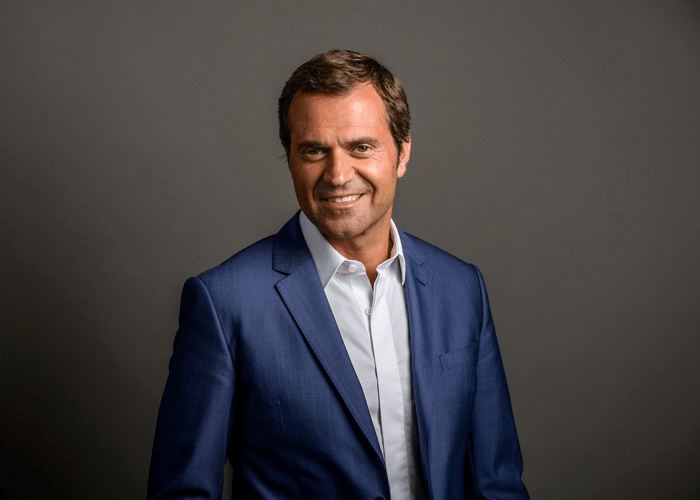
Jean-Pierre LAMETA
Partner notaire